I met Fern through Out in Tech, the mentorship program that pairs queer people in tech with someone a few steps further down the road. Our first call was October 2020. What I remember most about it is how quickly it stopped feeling like a program and started feeling like two people who were genuinely glad to find each other: someone in the queer community, in tech, who got it.
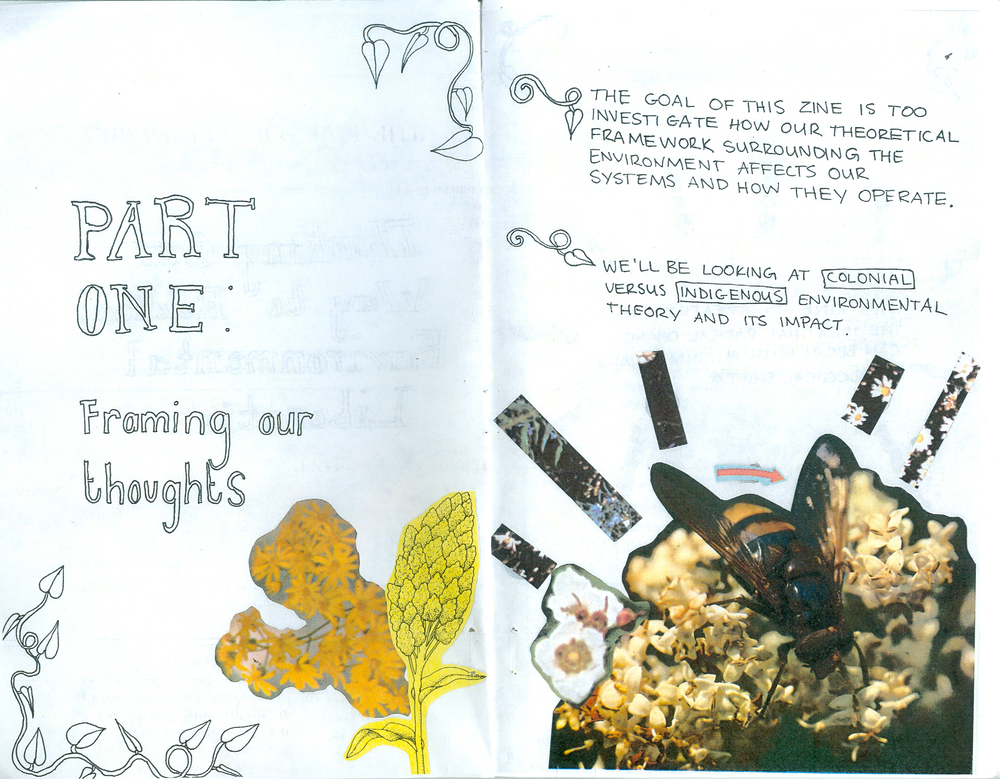
Fern came in with a degree in environmental studies and a real designer's eye. Their senior thesis was a zine about environmental ideologies and the difference between colonial and indigenous ways of seeing the land. It was a beautiful, handheld object. The kind of thing you hold and turn over. And Fern wanted to take that instinct, the work of taking confusing information and making it make sense, and move it into digital, usable design.
The starting point
The immediate goal was concrete. Fern had been accepted into an online master's program in graphic and web design and wanted a portfolio that showed digital work, not just print. They had the visual language down cold. What they hadn't done yet was design for a user instead of for a page.
That's the gap I see all the time with artists moving into product and UX. The craft is already there. What's missing isn't talent, it's a way to point that talent at a real person with a real need. So that's where we started.
We built a person to design for
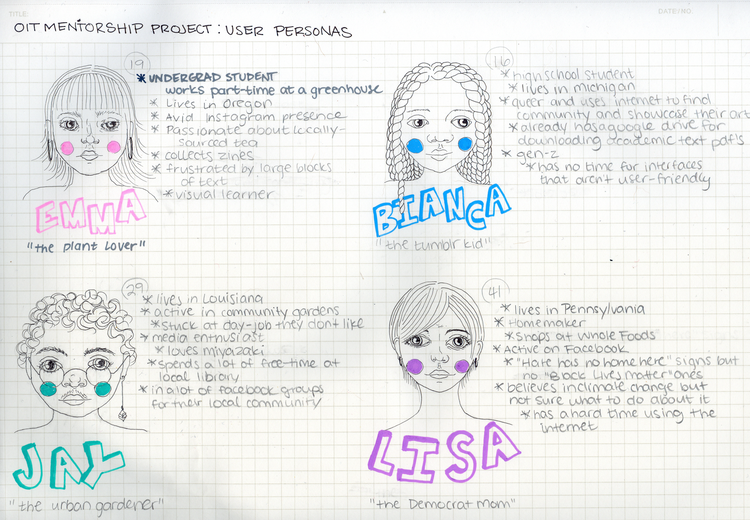
Instead of starting with screens, we started with someone to build them for. Fern created "Lisa," a composite persona stitched together from the kinds of people Fern actually wanted to reach: someone pulled in by a family conversation, by a potluck donation circle, by a vegan café's post in her Facebook feed, by a quiet curiosity about doing right by the environment.
Lisa wasn't decoration. She was the test. Every time Fern wanted to add something, the question became: would Lisa care? Would she understand it? Would she come back? That single move, designing for a named human instead of an abstract audience, is the whole shift from making art at people to making something for them.
From a Facebook post to a journey
Once Lisa existed, Fern mapped her path. It started with a vegan café's post Lisa happened to scroll past, followed her to a site we called "Rethink," through the moment she engaged with the content, all the way to the part Fern cared about most: Lisa sharing it back to her own community.
That journey did something important. It turned Fern's zine, a thing you read front to back, into a flow, a thing a person moves through and acts on. The ideas didn't change. The shape did. Information became a path with entry points, decision moments, and a payoff.
Sketches became prototypes
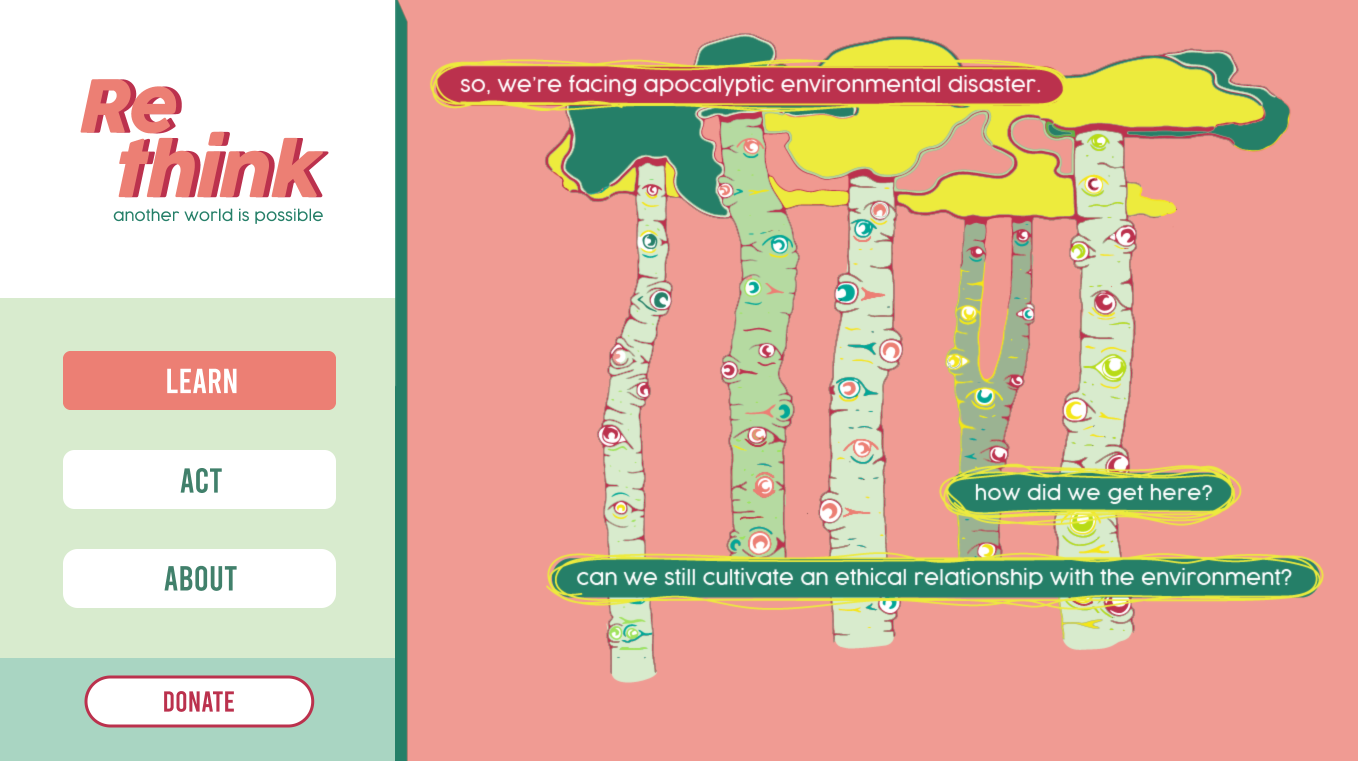
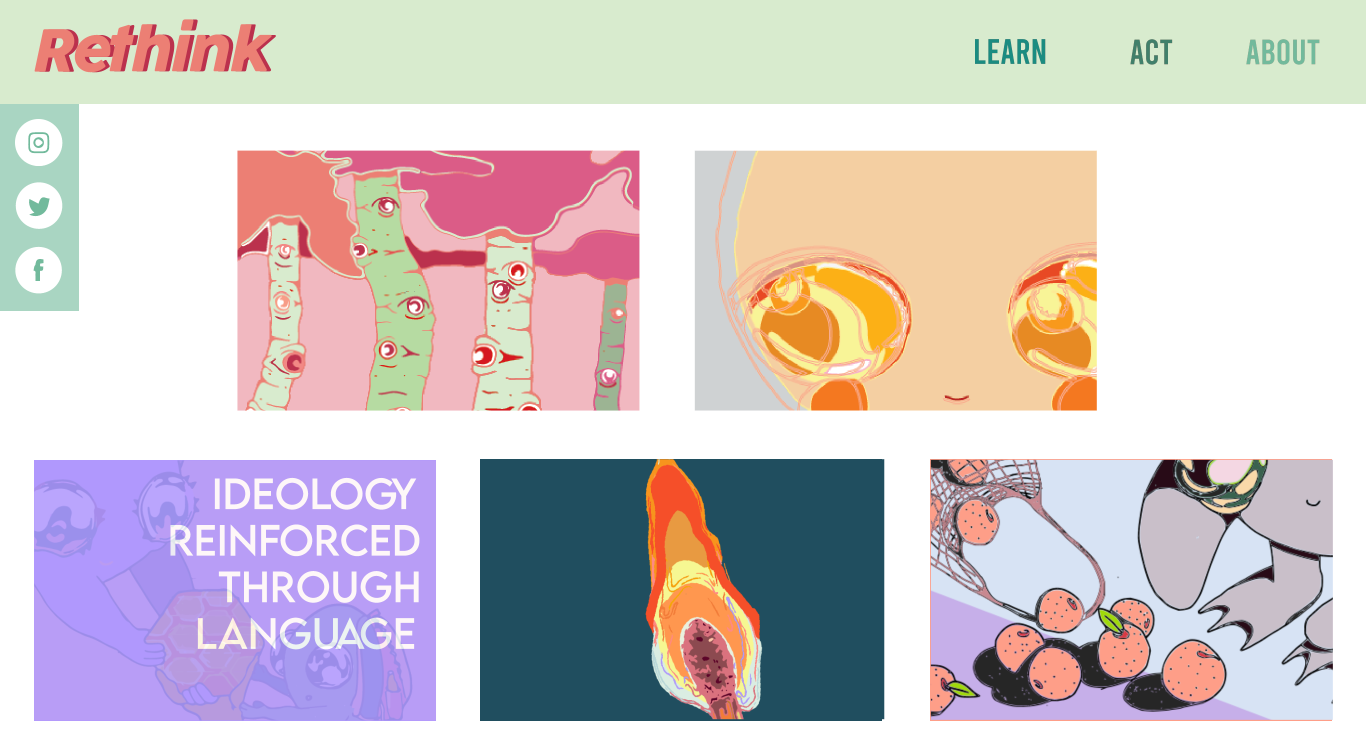
From there we went into the build. Fern took the journey and broke it into features: a homepage that pulled Lisa in, share tools so the content could travel, donation paths for people who wanted to do more than read. Paper sketches became clickable InVision prototypes.
And then came the part most people skip. Fern wrote interview scripts, took the prototype to real people, and let what they heard change the work. Assumptions about Lisa got tested and adjusted. The persona got sharper. The journey got rerouted where it didn't hold up. That loop, make something, show it to a human, listen, change it, is the engine of every good design practice, and Fern ran it on their own.
What they walked away with
By the end, Fern had a real toolkit: personas, flows, prototyping, and usability testing. The zine had grown into a digital platform with actual user pathways and feedback loops behind it. The portfolio was no longer a collection of pretty things. It was evidence of someone who could think about people and design for them.
Here's the payoff I'm proudest of. Fern didn't trade their artistry for usability. Today they run a thriving creative practice that weaves together design, therapy, and activism, all the things that lit them up on that first call in 2020. The user-centered thinking didn't replace the art. It gave the art somewhere to land.
What I took from it
Mentoring an artist into design isn't about teaching them to make things. They already know how. It's about handing them a person to make things for, and the methods to find out whether it worked. Do that, and the creativity doesn't get smaller. It gets aimed.
If you've got the craft but you're not sure how to point it at real users, that's not a reason to go back to school and start over. It's a reason to pick one real person, build them one real thing, and watch what happens when you let them tell you the truth about it.
Related services
Frameworks for this topic
Read next
Megan was a new mom thinking about a pivot. I offered to fix her resume and ended up coaching her through a full year of UX: two real case studies, a Google certificate, and a clear-eyed choice about what she actually wanted. Here's how it went, ending included.
A was a sharp engineer and artist who didn't want to commit to working on anything. The most useful thing I did as her mentor wasn't teaching her design, it was a tough-love conversation about being organized and accountable for deliverables. Here's the story of the accountability turn, sanded off for no one.
Most PM skills matrices fall flat. I built one based on spheres of influence - self, team, org - because skill is not tenure.
Want to work together?
I help teams ship better products. Let's talk about your situation.
Get in touch